In stock
Bestseller
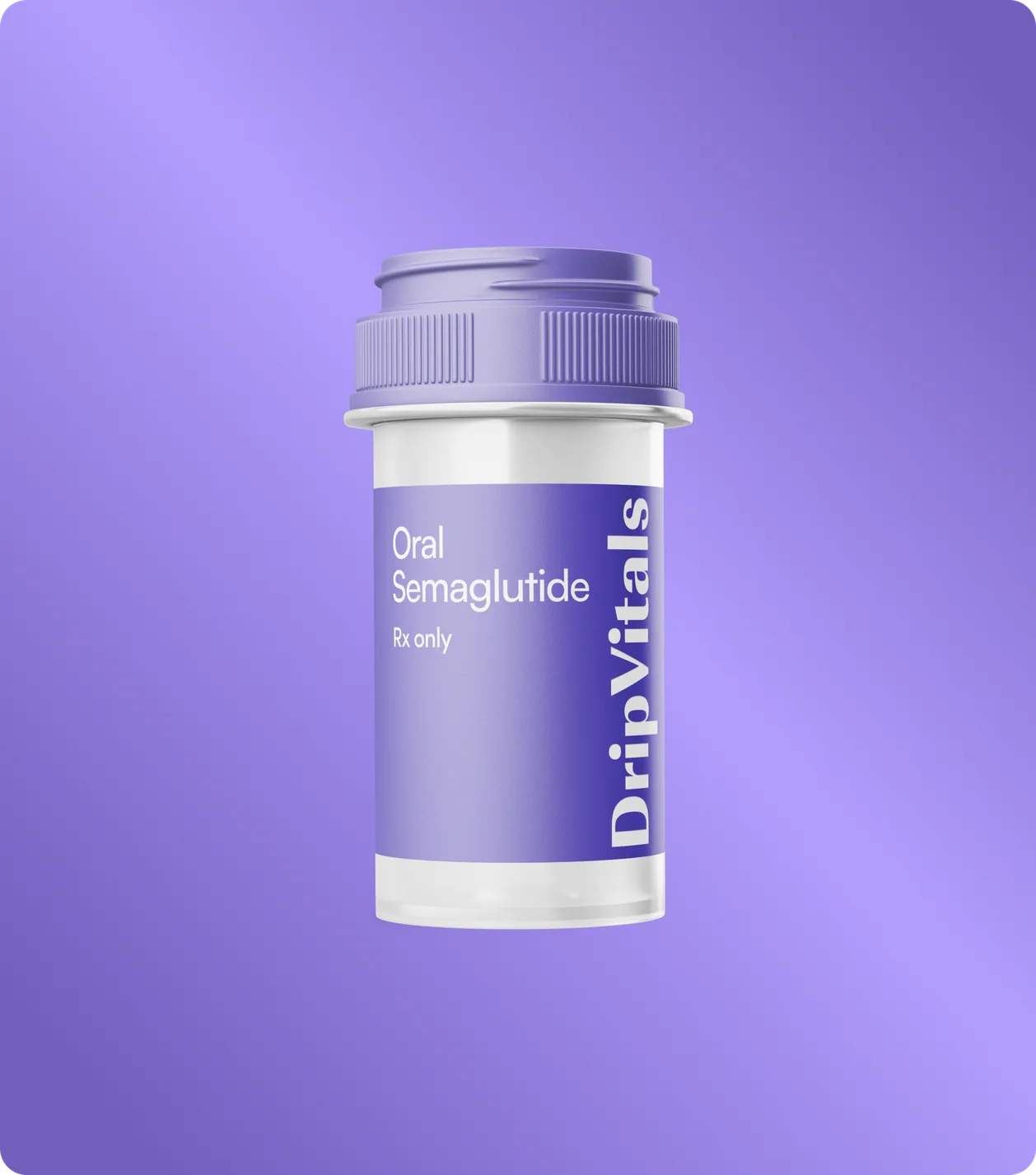
Oral Semaglutide Online
as low as $119/mo
Oral semaglutide is a once-daily tablet form of semaglutide, the GLP-1 medication behind brand-name weight-management and diabetes treatments. Explore clinician-guided oral semaglutide with transparent pricing, online provider review, and licensed pharmacy fulfillment.
Compounded semaglutide is not FDA-approved. Treatment is available only if prescribed after review by a licensed healthcare provider. Results vary.
GLP-1 receptor agonist taken as a once-daily tablet
Targets appetite, digestion, and metabolic function simultaneously
Free shipping in discreet packaging
What is Semaglutide and why does it matter?
Semaglutide is a GLP-1 receptor agonist that helps regulate appetite and improve blood sugar levels. It is often used to treat type 2 diabetes and obesity.
What are the potential benefits of oral semaglutide?
Semaglutide may help reduce appetite, improve blood sugar levels, and promote weight loss.
What is the difference between oral semaglutide and semaglutide injections?
oral semaglutide may offer different pharmacokinetics than injections. Your provider can explain trade-offs based on your goals and medical history.
*Price shown applies to 6-Month plan paid upfront or with buy now, pay later programs. Actual price will depend on product and plan prescribed.
**The FDA does not review or approve any compounded medications for safety or effectiveness.
**The FDA does not review or approve any compounded medications for safety or effectiveness.

Lose weight with confidence. Keep it off for good.
Semaglutide is a GLP-1 receptor agonist. It works by activating GLP-1 receptors involved in appetite regulation, digestion, and blood sugar control. Tirzepatide is the medication in this category that acts on both GIP and GLP-1 receptors.
Our sublingual formulation offers a convenient, needle-free option compounded by a licensed pharmacy and prescribed by a board-certified physician based on your individual health goals.
How Semaglutide works in the body?

Supports energy and skin vibrancy at the cellular level.

Designed to complement longevity goals.

Could help with mental clarity and focus.
The basics
What Is Oral Semaglutide?
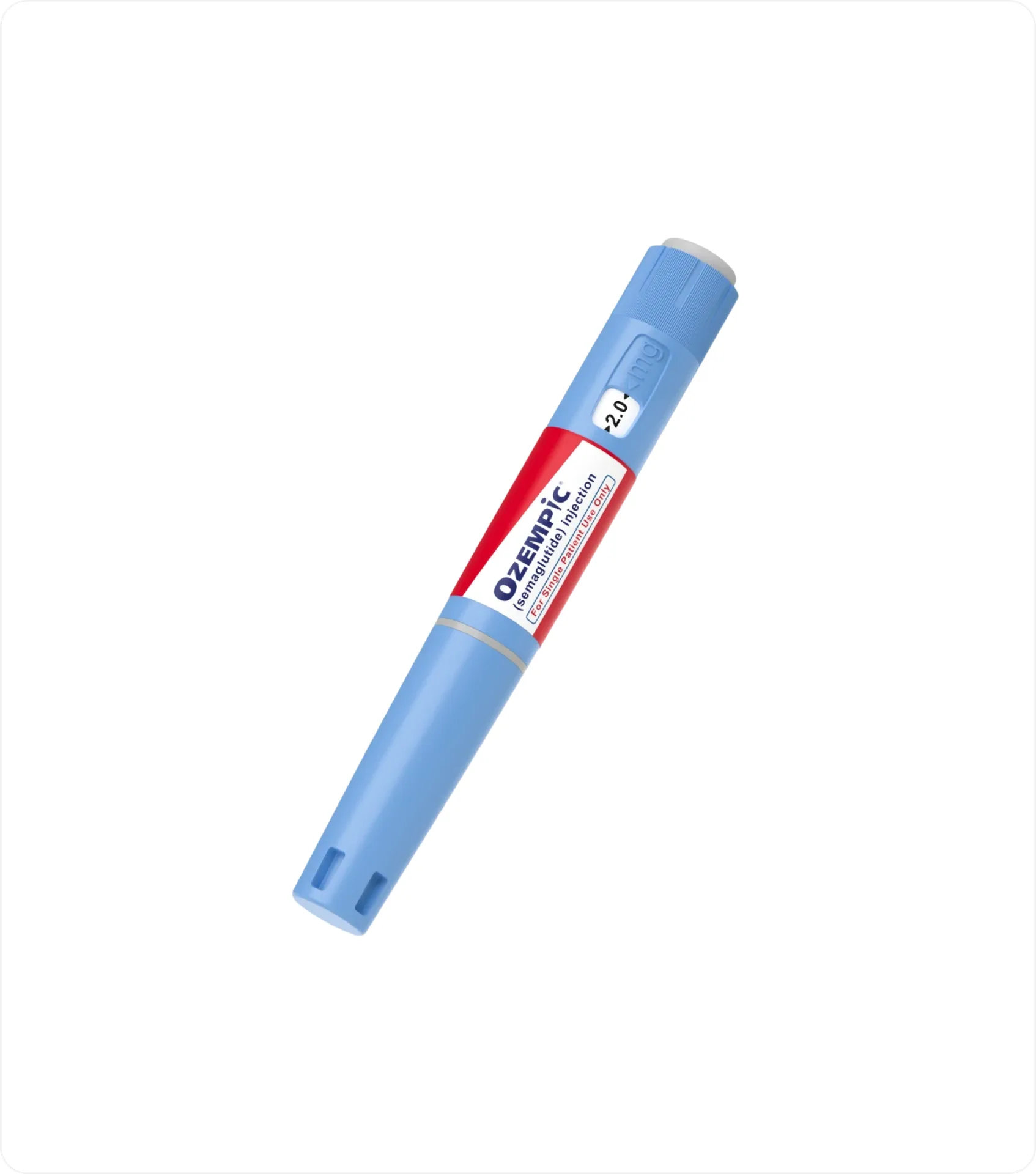
Oral semaglutide is a prescription weight-management and metabolic medication built around semaglutide, the same active molecule found in brand-name products such as Ozempic, Wegovy, and Rybelsus — taken as a daily tablet rather than a weekly injection. The word “compounded” simply means the medication is prepared by a licensed compounding pharmacy to fill a specific prescription, rather than being mass-manufactured as an FDA-approved branded product. It is dispensed only after a licensed provider reviews your health history and determines that treatment is appropriate for you.
How semaglutide works
Semaglutide mimics GLP-1, a hormone your gut releases after eating. By activating GLP-1 receptors, it helps reduce appetite, slow stomach emptying, and support blood sugar control — which together can support weight management alongside diet and activity.
How GLP-1 supports appetite control
GLP-1 is a hormone your intestines release after you eat. It does several things that naturally curb how much you consume. It slows gastric emptying, so food stays in your stomach longer and you feel full sooner and for longer after a meal. It signals satiety centers in the brain, dialing down hunger and the persistent “food noise” that drives snacking and second helpings. And it prompts the pancreas to release insulin only when blood sugar is elevated. By amplifying these GLP-1 signals, semaglutide helps many people eat smaller portions and feel satisfied with less, without the white-knuckle willpower that conventional dieting demands.
Blood sugar regulation
Because both incretin pathways are tied to glucose metabolism, semaglutide also helps smooth blood sugar. It encourages glucose-dependent insulin release, meaning insulin is secreted in response to rising blood sugar and tapers as levels normalize, and it reduces the liver’s output of excess glucose. The branded form of semaglutide is FDA-approved for type 2 diabetes precisely because of this effect on glycemic control. For people focused on weight, steadier blood sugar also tends to mean fewer energy crashes and fewer cravings between meals.
This matters even if you do not have diabetes. Sharp swings between blood-sugar highs and lows can drive the kind of mid-afternoon slump and sudden hunger that lead to impulsive eating. By helping glucose rise and fall more smoothly, semaglutide supports more even energy across the day, which in turn makes consistent, lower-calorie eating feel more natural. For people with insulin resistance — common in those carrying excess weight — improving the body’s sensitivity to insulin can be an important part of breaking the cycle that makes weight loss so difficult to begin with.
Appetite control and food noise
One of the most consistent things people report on semaglutide is a dramatic drop in appetite and in the intrusive, repetitive thoughts about food that many describe as “food noise.” By reinforcing the body’s natural satiety signaling, semaglutide makes it easier to recognize fullness, stop eating sooner, and go longer between meals without feeling deprived. Portion sizes tend to shrink on their own, and the urge to graze or reach for high-calorie snacks often fades. For many people who have struggled with diets for years, this shift in appetite is what finally makes a calorie reduction feel sustainable rather than like a constant battle against hunger.
The weight-loss mechanism, combined
Put the pieces together and you have the weight-loss mechanism: semaglutide reduces appetite and slows digestion so you naturally take in fewer calories, while improving how your body handles sugar and fat. The result for many users is a meaningful, sustained reduction in food intake that supports gradual fat loss when paired with reasonable nutrition and activity. It is not a stimulant and it is not a substitute for healthy habits; it works best as one part of a structured program with clinical guidance and dose titration.
Importantly, the effect is dose-dependent and builds over time. That is why treatment starts low and steps up slowly: the goal is to find the dose that delivers strong appetite control and steady results while keeping side effects manageable. Because the medication addresses the underlying biology of hunger and metabolism rather than relying on willpower alone, it tends to produce more durable change than crash dieting, which typically triggers compensatory hunger and rebound weight gain.
Why the dual-pathway design matters
Single-pathway GLP-1 medications transformed weight care, but semaglutide’s GLP-1 activity supports appetite reduction and blood-sugar control.
How compounded semaglutide differs from the brand
Compounded semaglutide contains the same active ingredient as Ozempic, Wegovy, and Rybelsus, but it is not the FDA-approved branded product and is not reviewed by the FDA for safety, effectiveness, or manufacturing. Compounded preparations are made by state-licensed pharmacies that follow applicable quality standards, and the specific formulation, inactive ingredients, concentration, and presentation can differ from the brand. A licensed provider decides whether a compounded option is clinically appropriate for you, and availability can change based on regulatory guidance. Always confirm details and eligibility during your consultation.
Comparing your options? Many patients also explore compounded semaglutide, read our semaglutide vs semaglutide guide, or browse all of our GLP-1 weight loss treatments to find the right fit with a provider.

Results
How Much Weight Can You Lose With Semaglutide?
How much weight you can lose with semaglutide depends on your dose, how long you stay on treatment, and your individual response. The figures below come from large randomized trials of the FDA-approved branded form of semaglutide. Compounded preparations have not been separately studied, and individual results vary.
What the SURMOUNT trials showed
In the SURMOUNT-1 trial, adults with obesity or overweight who took the highest weekly dose of semaglutide lost on average roughly 20–22% of their body weight over about 72 weeks, alongside lifestyle support. Lower doses also produced substantial average reductions. These results were notably larger than what single-pathway GLP-1 therapies have achieved in comparable studies, which is why semaglutide is often described as best-in-class for weight reduction.
Average percentage loss by dose
- 2.5 mg: a non-therapeutic starting dose used only to build tolerance during the first month.
- 5 mg: early, modest reductions as your body adjusts to treatment.
- 10 mg: meaningful average loss in trials of the branded molecule.
- 15 mg (highest studied dose): the largest average reductions, around 20–22% in SURMOUNT-1.
A realistic timeline by month
- Month 1: appetite suppression and reduced cravings often begin; weight change is usually small while you titrate from 2.5 mg.
- Months 2–3: as the dose increases, most people see steadier, more visible loss.
- Months 4–6: results typically accelerate toward the dose that works for you.
- Months 6–12+: continued, gradual loss for many users, with results tending to plateau as you approach a new set point.
Remember that the medication supports the work — nutrition, protein intake, movement, and sleep all shape your outcome. Your provider can adjust your plan if results stall. Not sure where you stand? Check your BMI first, then compare other weight loss injections.
Comparison
Oral vs. Injectable Semaglutide
Semaglutide comes in two main forms: a once-daily oral tablet and a once-daily injection. Both use the same active molecule and target the GLP-1 pathway. Injectable semaglutide has the largest body of weight-loss trial evidence, while the oral form offers a needle-free option. Absorption of the tablet can be affected by food and timing, so it must be taken exactly as directed. A licensed provider can help determine which form fits your goals and health history.
| Feature | Semaglutide | Semaglutide |
|---|---|---|
| Mechanism | GLP-1 (oral tablet) | GLP-1 (injection) |
| Average weight loss in trials* | ~20–22% | ~15% |
| Weekly injection | Yes | Yes |
| Brand names | Ozempic, Wegovy | Ozempic, Wegovy, Rybelsus |
| Highest studied dose | 15 mg | 2.4 mg |
| Key obesity trials | SURMOUNT | STEP |
*Average weight-loss figures reflect randomized trials of the FDA-approved branded molecules (SURMOUNT for semaglutide, STEP for semaglutide), not compounded products, and individual results vary. The right medication for you depends on your health history, tolerance, and your provider's recommendation.

Access
Can You Buy Semaglutide Online?
Yes — you can begin the entire process online through telehealth, without an in-person clinic visit. Buying semaglutide online does not mean buying it over the counter; it still requires a valid prescription from a licensed provider. Here is how the process works from start to finish.
- 1Telehealth intake
You complete a secure online health questionnaire covering your goals, medical history, current medications, and weight history. It takes only a few minutes.
- 2Medical review
A licensed, US-based provider reviews your information to assess whether semaglutide is safe and appropriate for you, and may follow up with questions.
- 3Prescription approval
If you are a good candidate, the provider issues a prescription with a starting dose and a titration plan tailored to your tolerance and goals.
- 4Pharmacy fulfillment
A state-licensed compounding pharmacy prepares your medication and ships it to your door in discreet packaging, with instructions and ongoing support.
Throughout treatment you can message your care team, request dose adjustments, and reorder through your dashboard. Eligibility, availability, and shipping can vary by state. Ready to begin? Learn how to buy semaglutide online or explore our full weight loss program.
Pricing
Semaglutide Cost Guide
Pricing transparency matters, so here is a clear breakdown of what oral semaglutide costs online and why the number you see can differ from one provider to the next.
Starting prices
DripVitals plans start as low as $119/mo. The lowest monthly figure generally reflects a 6-month plan paid upfront or through a buy-now-pay-later option; shorter or month-to-month plans usually carry a higher monthly price. Your exact cost depends on the dose you are prescribed and the plan you choose.
What's included
- Your oral semaglutide medication
- The online medical consultation and prescription
- Ongoing provider support and dose adjustments
- A your prescribed medication, online consultation, prescription review, ongoing provider support, dose guidance, pharmacy fulfillment, and free discreet shipping.
- Free, discreet shipping
Why prices vary
- Dose: higher doses use more active ingredient and can cost more.
- Plan length: longer commitments lower the effective monthly price.
- Payment timing: paying upfront usually beats month-to-month rates.
- Pharmacy and formulation: compounding partners and formulations differ.
- Provider and clinical fees: telehealth visits and ongoing care may be bundled into your plan or billed separately.
Subscription vs monthly plans
A subscription bundles the medication, clinical care, and shipping into a recurring plan you can cancel at any time, and it typically delivers the lowest per-month price. A month-to-month option offers more flexibility with no long commitment, but at a higher rate. There are no hidden fees — your dashboard shows exactly what you pay and when. For a full breakdown, see our dedicated cheapest semaglutide online guide.
Dosing
Oral Semaglutide Dosage Guide
Oral semaglutide is taken as a once-daily tablet, usually on an empty stomach with a small sip of water, and at least 30 minutes before food, drink, or other medications — following your provider’s exact directions, since food and timing affect absorption. The dose is increased gradually (titration) to help minimize side effects like nausea. Your provider sets and adjusts your schedule; never change your dose on your own.
3 mg
Starting dose
Initiation only — builds tolerance during weeks 1–4. Not intended for weight maintenance.
7 mg
Step 2
First therapeutic dose; many people begin to see appetite and weight effects.
7.7 mg
Step 3
An intermediate step as your body continues to adjust.
14 mg
Step 4
A common effective dose with meaningful average results in trials.
13 mg
Step 5
A higher step for those who tolerate treatment and need more effect.
17 mg
Maximum dose
The highest studied dose, linked to the largest average loss in SURMOUNT-1.
Not everyone reaches 17 mg — many people do well on a lower dose. The right dose is the lowest one that gives you good results with manageable side effects. For titration details, see our full semaglutide dosage guide.
Safety
Oral Semaglutide Side Effects
Like all medications in this class, semaglutide can cause side effects. Most are gastrointestinal, tend to be mild to moderate, and often improve as your body adjusts and as doses are increased slowly.
Nausea
The most common effect, usually mild and worst right after a dose increase; it tends to ease over time.
Constipation
Slower digestion can cause constipation; fiber, fluids, and movement help.
Diarrhea
Some people experience loose stools, especially early in treatment.
Fatigue
Lower food intake can cause temporary tiredness as your body adjusts.
Stomach discomfort
Some people experience nausea, bloating, reflux, abdominal discomfort, constipation, or diarrhea, especially during dose changes.
Serious but less common
Rare but serious effects can include pancreatitis, gallbladder problems, changes in kidney function, severe or persistent abdominal pain, vision changes, allergic reactions, and low blood sugar (especially if combined with insulin or sulfonylureas). Seek medical care promptly for severe symptoms.
Important safety note
In animal studies, semaglutide caused thyroid C-cell tumors; it is not known whether it causes such tumors, including medullary thyroid carcinoma, in people. You should not use semaglutide if you or a family member has a history of medullary thyroid carcinoma or Multiple Endocrine Neoplasia syndrome type 2. Always review your full history with your provider and report any side effects right away. For a complete overview, see our semaglutide side effects guide.

Eligibility
Who Is A Good Candidate?
A licensed provider makes the final eligibility decision, but in general semaglutide for weight management is considered for adults who meet body-mass-index criteria similar to those used for the branded therapy.
- A BMI of 30 or higher (classified as obesity), or
- A BMI of 27 or higher (overweight) with at least one weight-related condition, such as high blood pressure, type 2 diabetes, high cholesterol, or obstructive sleep apnea.
Who may not be a candidate
Semaglutide is generally not appropriate for people who are pregnant, planning pregnancy, or breastfeeding, or for anyone with a personal or family history of medullary thyroid carcinoma or MEN 2. Caution is needed with a history of pancreatitis, gallbladder disease, severe gastrointestinal conditions, or certain other medications. Your provider will review your history to determine whether treatment is safe for you. Not everyone who applies will qualify. You can calculate your BMI in under a minute to see where you stand before you apply.
Availability
Semaglutide Available in 40+ States
Compounded semaglutide is available to eligible patients across 40+ states, with your eligibility confirmed during the online consultation. Explore treatment in your area:
State availability can change with regulations and is confirmed at checkout.

Ready to feel like you again?
- Discover how our program supports your energy, clarity, and longevity from the inside out.
- 1-on-1 guidance from US-based health experts
- No-cost consultations for continuous treatment optimization
- Fast and reliable deliveries with 24/7 support available
Simple, transparent pricing
Both plans include your provider consultation, medication if prescribed, dose guidance, and free discreet shipping. Cancel anytime.
MOST POPULAR
6-Month plan
$119/mo*
Paid upfront or with buy-now-pay-later. Lowest monthly price.
*The $119/month rate reflects the 6-month plan. A licensed provider determines whether treatment is appropriate; you are not charged for medication unless prescribed. Compounded oral semaglutide is not FDA-approved. Individual results vary.
Keep reading
Semaglutide Guides
Dedicated guides for every step of your semaglutide journey — jump to the topic you need next.
Semaglutide Online
Start treatment online with a licensed provider.
Buy Semaglutide OnlineHow ordering, medical review, and delivery work.
Semaglutide Cost GuidePricing, plans, and how to save.
Semaglutide Dosage GuideThe 2.5–15 mg titration schedule, explained.
Semaglutide Side EffectsWhat to expect and how to manage them.
Semaglutide vs SemaglutideMechanism, results, and which to choose.
Oral Semaglutide: Frequently Asked Questions
Answers to the most common questions about oral semaglutide, from how it works to cost, dosing, safety, and getting started online.
What is oral semaglutide?
A prescription medication containing semaglutide — the same active molecule in Ozempic, Wegovy, and Rybelsus — prepared by a licensed compounding pharmacy to fill a provider's prescription. It is not an FDA-approved branded product.
Is oral semaglutide legal?
Compounding is a long-standing, regulated pharmacy practice. A licensed provider must prescribe it and a licensed pharmacy must prepare it, and availability can change with FDA guidance, so eligibility is confirmed during your consultation.
Can I buy semaglutide online?
You can start the process online through telehealth. A licensed provider reviews your information and, if appropriate, issues a prescription that a partner pharmacy fills and ships to you.
How much does oral semaglutide cost?
Plans start as low as $119/mo depending on your dose, plan length, and payment option. Longer plans paid upfront usually have the lowest monthly price.
What pharmacy fills oral semaglutide?
A state-licensed compounding pharmacy that follows applicable USP and regulatory standards prepares and ships your prescription.
Is oral semaglutide the same as Ozempic?
It contains the same active ingredient but is not the FDA-approved branded product. Formulation, inactive ingredients, and presentation can differ.
Is oral semaglutide the same as Wegovy?
Wegovy is the FDA-approved branded semaglutide for weight management. Compounded semaglutide shares the active molecule but is prepared by a pharmacy and is not FDA-approved.
Is semaglutide FDA approved?
Branded semaglutide (Ozempic, Wegovy, and Rybelsus) is FDA-approved. Compounded semaglutide is not.
Is oral semaglutide FDA approved?
No. Compounded medications are not reviewed or approved by the FDA for safety, effectiveness, or manufacturing.
What happens if I miss a dose?
If you miss your weekly dose, take it within a few days if you can; if your next dose is near, skip the missed one and resume your schedule. Never double up, and follow your provider's instructions.
How long before semaglutide starts working?
Many people notice reduced appetite within the first weeks. Visible weight change usually builds over 8–12 weeks as the dose is increased.
How is semaglutide taken?
As a once-daily oral tablet on the same day each week, at any time of day, with or without food.
How is oral semaglutide taken?
Oral semaglutide is taken by mouth according to your provider’s directions. Depending on the formulation, your provider or pharmacy may give specific instructions about timing, food, water, and other medications. Do not change your dose or schedule without your provider’s guidance.
What is the starting dose of semaglutide?
Treatment typically starts at 2.5 mg weekly for four weeks, a tolerance-building dose that is not intended for weight maintenance.
How often is the dose increased?
Usually by 2.5 mg about every four weeks, as tolerated, until you reach an effective dose. Your provider controls the schedule.
What is the maximum semaglutide dose?
The highest studied dose is 15 mg weekly, though many people do well on a lower dose.
Do I need a prescription for semaglutide?
Yes. Semaglutide requires a valid prescription from a licensed provider; it is not available over the counter.
How does the online consultation work?
You complete a secure questionnaire, a licensed provider reviews it, and if appropriate they issue a prescription — all without an in-person visit.
What is semaglutide used for?
Branded semaglutide is FDA-approved for chronic weight management and for type 2 diabetes. It is prescribed to support appetite control, weight loss, and blood sugar regulation.
How does semaglutide cause weight loss?
It activates GLP-1 receptors to reduce appetite, slow stomach emptying, and support blood sugar control.
How is oral semaglutide different from the injection?
Both use the same GLP-1 medication, semaglutide. The oral form is a daily tablet; the injection is given weekly under the skin. Absorption, dosing, and experience can differ. A licensed provider can help determine which option, if any, is appropriate for you.
Is oral semaglutide as effective as the injection?
Injectable semaglutide has the largest body of weight-loss trial evidence. Oral semaglutide offers a needle-free daily option using the same active molecule, but absorption depends on taking it exactly as directed. A licensed provider can help you weigh the trade-offs for your goals and health history.
How much weight can I lose on semaglutide?
In SURMOUNT-1, adults on the highest dose lost about 20–22% of body weight on average over ~72 weeks. Individual results vary and compounded products are not separately studied.
What were the SURMOUNT trial results?
SURMOUNT-1 showed substantial average weight reductions across doses, with the largest at 15 mg, alongside lifestyle support.
Will I regain weight if I stop?
Some weight regain is common after stopping any weight medication if habits don't change. Your provider can help you plan a long-term strategy.
Can semaglutide treat type 2 diabetes?
Yes — the branded form is FDA-approved for type 2 diabetes because it improves blood sugar control. Your provider determines what is appropriate for you.
What are the most common side effects?
Nausea, constipation, diarrhea, fatigue, and Stomach-related effects can occur, especially during dose changes.
Are semaglutide side effects dangerous?
Most are mild and temporary. Rare but serious effects exist (such as pancreatitis or gallbladder problems); seek care promptly for severe symptoms.
How do I reduce nausea on semaglutide?
Eat smaller, lower-fat meals, stop when full, stay hydrated, and avoid heavy or greasy foods. Slow titration also helps; tell your provider if it persists.
Does semaglutide cause constipation?
It can, because it slows digestion. Fiber, fluids, and regular movement usually help; ask your provider if it continues.
Can semaglutide cause hair loss?
Rapid weight loss from any cause can sometimes trigger temporary shedding. Adequate protein and nutrition help, and it typically resolves.
Does semaglutide affect the thyroid?
In animal studies it caused thyroid C-cell tumors; human risk is unknown. It should not be used by anyone with a personal or family history of medullary thyroid carcinoma or MEN 2.
Who should not take semaglutide?
People who are pregnant or breastfeeding, or who have a history of medullary thyroid carcinoma or MEN 2, generally should not. Your provider reviews your full history.
Can I take semaglutide if I'm pregnant?
No. Semaglutide is not recommended during pregnancy or breastfeeding. Tell your provider if you are pregnant or planning to be.
Can I drink alcohol on semaglutide?
Moderate alcohol may worsen nausea or blood sugar swings. Discuss your habits with your provider.
Does semaglutide interact with other medications?
It can, particularly insulin and sulfonylureas (raising low-blood-sugar risk) and oral medications whose absorption is affected by slower digestion. Share your full medication list.
Do I need to diet and exercise too?
The medication works best with reasonable nutrition, adequate protein, and regular activity. It supports your efforts rather than replacing them.
How should I store semaglutide?
Follow the pharmacy's instructions — typically refrigerated and protected from light. Do not freeze, and check your specific labeling.
What's in oral semaglutide besides the active ingredient?
Compounded formulations may include additional inactive ingredients and can differ from the brand. Your pharmacy and provider can detail your specific formulation.
Why is oral semaglutide cheaper than the brand?
Compounded preparations are made by pharmacies rather than mass-produced as branded drugs, which can lower cost. They are not FDA-approved products.
Why do semaglutide prices vary?
Price depends on your dose, plan length, payment timing, and the compounding pharmacy and formulation.
What's included in my plan?
Your medication, the online consultation and prescription, ongoing provider support and dose adjustments, a your prescribed medication, online consultation, prescription review, ongoing provider support, dose guidance, pharmacy fulfillment, and free discreet shipping.
Is there a subscription, or can I pay monthly?
Both. A subscription bundles everything at the lowest monthly price and can be canceled anytime; month-to-month offers more flexibility at a higher rate.
How fast does my medication ship?
After approval, your prescription is prepared and shipped in discreet packaging. Timing can vary by state and pharmacy; you'll get tracking details.
Which states is oral semaglutide available in?
Availability varies by state and can change with regulations. Your eligibility is confirmed during the online consultation.
Can my provider adjust my dose if I'm not seeing results?
Yes. Dose and plan adjustments are part of ongoing care — message your care team through your dashboard.
What if I have side effects?
Contact your provider. They may adjust your dose, slow titration, or recommend strategies to manage symptoms. Seek urgent care for severe symptoms.
Do I need lab work or bloodwork?
Some patients may be asked for labs depending on their history. Your provider will let you know what's needed.
What BMI do I need to qualify?
Generally a BMI of 30+, or 27+ with a weight-related condition such as high blood pressure, type 2 diabetes, high cholesterol, or sleep apnea. A provider makes the final call.
Can I use semaglutide just for the last 10–20 pounds?
Eligibility is based on BMI and health criteria, not cosmetic goals. A provider determines whether treatment is appropriate for you.
How long do people stay on semaglutide?
Obesity is treated as a chronic condition, so many people use it long-term under supervision. Your provider helps plan duration and maintenance.
Can I switch from semaglutide to semaglutide?
Often yes, under provider guidance, with an appropriate starting dose. Don't switch on your own — your provider will plan the transition.
Will semaglutide affect my blood sugar if I'm not diabetic?
It promotes glucose-dependent insulin release, so the risk of low blood sugar is low in people without diabetes who aren't taking insulin or sulfonylureas.
Does semaglutide reduce food cravings?
Many users report less hunger and quieter “food noise,” which makes it easier to eat smaller portions.
Is oral semaglutide safe?
It contains a well-studied active molecule, but compounded products are not FDA-reviewed and carry the same class risks. A provider weighs the benefits and risks for you.
What's the difference between compounded and counterfeit semaglutide?
Compounded semaglutide is made by a licensed pharmacy from regulated ingredients to a prescription. Counterfeit products are illegal, unregulated, and unsafe — only obtain medication through a licensed provider and pharmacy.
Can I get a refund if I'm not approved?
If a provider determines you aren't a candidate, you are not charged for medication. Review the specific plan terms during checkout.
How do I get started?
Complete the short online intake, get reviewed by a licensed provider, and if approved your medication ships to your door. Tap Get Started to begin.
Trust
Medically Reviewed

Medically reviewed by
ABAARM · FAAMM · DABOM
Hormone OptimizationObesity & Metabolic MedicineLongevity-Focused CareFunctional Medicine
This page was reviewed for medical accuracy. Treatment decisions are made by a licensed provider after reviewing each patient’s medical history.
Education & certifications
- American Board of Anti-Aging and Regenerative Medicine (ABAARM)
- Anti-Aging Metabolic Medicine, American Academy of Anti-Aging Medicine
- American Board of Obesity Medicine (DABOM)
- American Board of Internal Medicine
- The Institute for Functional Medicine
- Bioidentical Hormone Replacement Therapy certified
- Peptide Certification / Member, International Peptide Society
- Integrative Gastroenterology, Endocrinology, Cardiology & Neurology Certification, The George Washington University School of Medicine and Health Sciences
- Member, The American Academy of Anti-Aging Medicine (A4M)
- Member, American College of Physicians
Evidence
Clinical References
Medically reviewed by Dr. Emanuel Noel Cruz Tancinco, MD · Last reviewed June 2026
- SURMOUNT-1 TrialJastreboff AM, et al. Semaglutide Once Weekly for the Treatment of Obesity. New England Journal of Medicine. 2022;387(3):205–216. (ClinicalTrials.gov: NCT04184622)
- SURMOUNT-2 TrialGarvey WT, et al. Semaglutide once weekly for the treatment of obesity in people with type 2 diabetes (SURMOUNT-2). The Lancet. 2023;402(10402):613–626. (ClinicalTrials.gov: NCT04657003)
- New England Journal of MedicinePeer-reviewed clinical research on semaglutide and GLP-1 therapies, and the pharmacological treatment of obesity.
- FDA Semaglutide InformationU.S. Food and Drug Administration prescribing and safety information for semaglutide products (Ozempic® and Wegovy®).
Disclaimer
Only available if prescribed after an online consultation with a healthcare provider. Benefits outlined are based on third-party studies. Plans are offered as a subscription service which can be canceled at any time. Actual product packaging may appear differently than shown. Physicians may prescribe compounded medications as needed to meet patient requirements. The FDA does not review or approve any compounded medications for safety or effectiveness. The statements on this page have not been evaluated by the FDA. Results may vary. If you notice any side effects while using this treatment, contact your healthcare provider immediately.